Transforming Your Vision: A Deep Dive Into Lens Repair Procedure


Write-Up Developed By-Cherry Oneal
Sight is one of our most treasured senses, and any issues affecting it can significantly impact our daily lives. For those seeking a long-term solution to vision problems, lens exchange surgery may emerge as a promising option. This advanced treatment, often referred to as refractive lens exchange, involves replacing the eye's original lens with an implanted one to correct issues such as nearsightedness, hyperopia, and presbyopia. As technology evolves, so does the range of options available, offering numerous individuals the hope of achieving better sight without the ongoing hassle of glasses or contact lenses.
In this detailed guide, we will delve into all you need to know about lens replacement surgery, from understanding the detailed process and recovery expectations to weighing the benefits against possible risks. We'll also explore eligibility criteria to help you determine if this procedure is right for you. Whether you're exploring alternatives to laser eye surgery or weighing the costs and long-term benefits, our comprehensive discussion will arm you with the knowledge to make an informed decision about your vision correction journey.
Understanding Lens Replacement Surgery
The lens replacement procedure, often called refractive lens replacement, is a procedure intended to correcting sight by swapping the eye's original lens with an man-made intraocular lens. This surgery works well for individuals suffering from age-related vision loss, severe long-sightedness, or those who are not good candidates for LASIK. The procedure also strives to boost vision but provides the possibility of reducing or eliminating dependence on glasses or contact lenses.
The benefits of lens replacement surgery are varied. Beyond the likelihood for enhanced visual acuity, patients can enjoy improved quality of life with fewer need for corrective eyewear. Furthermore, advancements in technology have resulted in premium lens options, such as accommodating lens implants and extended depth of focus lenses, providing personalized solutions that address individual visual needs. These advancements have created new possibilities for people with elevated prescriptions or particular vision challenges.
Although lens replacement surgery is generally considered secure, it is necessary for patients to be aware of the associated dangers and post-operative process. Common risks may entail infection, complications pertaining to the artificial lens, and possible visual disturbances. https://www.opticianonline.net/features/future-of-optics-refractive-surgery , generally extending from a few days to several weeks, contingent on the individual's healing response and the type of lens used. A comprehensive consultation with an skilled lens replacement surgeon can help determine eligibility, clarify visions, and outline the surgery’s benefits and drawbacks, ensuring that patients are well prepared before proceeding.
Candidate Evaluation and Consultation
Determining candidacy for ocular lens surgery involves a comprehensive evaluation by an expert surgeon. During the initial consultation, multiple factors such as age, general eye condition, and individual vision needs are assessed. The doctor will perform a series of tests to evaluate refractive errors, screen for existing eye conditions, and evaluate how well the eyes coordinate. This thorough evaluation ensures that the suggested procedure aligns perfectly with the patient's individual requirements.
Additionally, the discussion about symptoms and vision concerns plays a crucial role in candidate assessment. Patients should openly share their feedback with conditions like presbyopia or extreme myopia, as these can greatly affect the choice of lens implants and the overall approach to care. The surgeon will offer different options customized to maximize visual results while taking into account the individual’s lifestyle and goals.
After the assessment and conversation, if the patient is deemed appropriate for lens replacement surgery, the physician will explain the proposed treatment in depth. This includes the benefits of custom implants, expected recovery times, and possible risks. Addressing Learn Additional Here and ensuring the patient feels aware and assured in their choice is essential at this point, setting the stage for a positive treatment journey.
Benefits and Drawbacks of Eye Replacement
Lens replacement surgery offers many benefits, rendering it an inviting alternative for individuals desiring enhanced vision. One of the primary pros is the ability to correct a wide range of vision conditions, like presbyopia, extreme nearsightedness, and astigmatism. Personalized lens replacement delivers individualized solutions, enhancing the level of vision without the need for glasses or contact lenses. Many patients share quick benefits in their vision, noticing clearer sight and increased freedom from corrective eyewear.
On the other hand, like any surgical procedure, lens replacement does come with potential complications that potential patients should ponder. Typical complications are infection, inflammation, and changes in eye pressure, which may result in severe conditions such as glaucoma. Additionally, some patients may suffer from halos or glare around lights, especially at night. It is crucial for individuals to talk about these potential risks with their doctor to make an informed decision about whether the procedure is right for them.
The recovery process is a further crucial factor that candidates must think about. While many patients undergo a quick recovery, there can be variability in healing time depending on individual circumstances and the complexity of the surgery. Custom lens replacement recovery time may entail temporary discomfort and adjustments as the eyes heal. Comprehending both the benefits and risks of lens replacement enables individuals to set reasonable expectations and prepare for the post-operative experience.
Cost and Payment Options
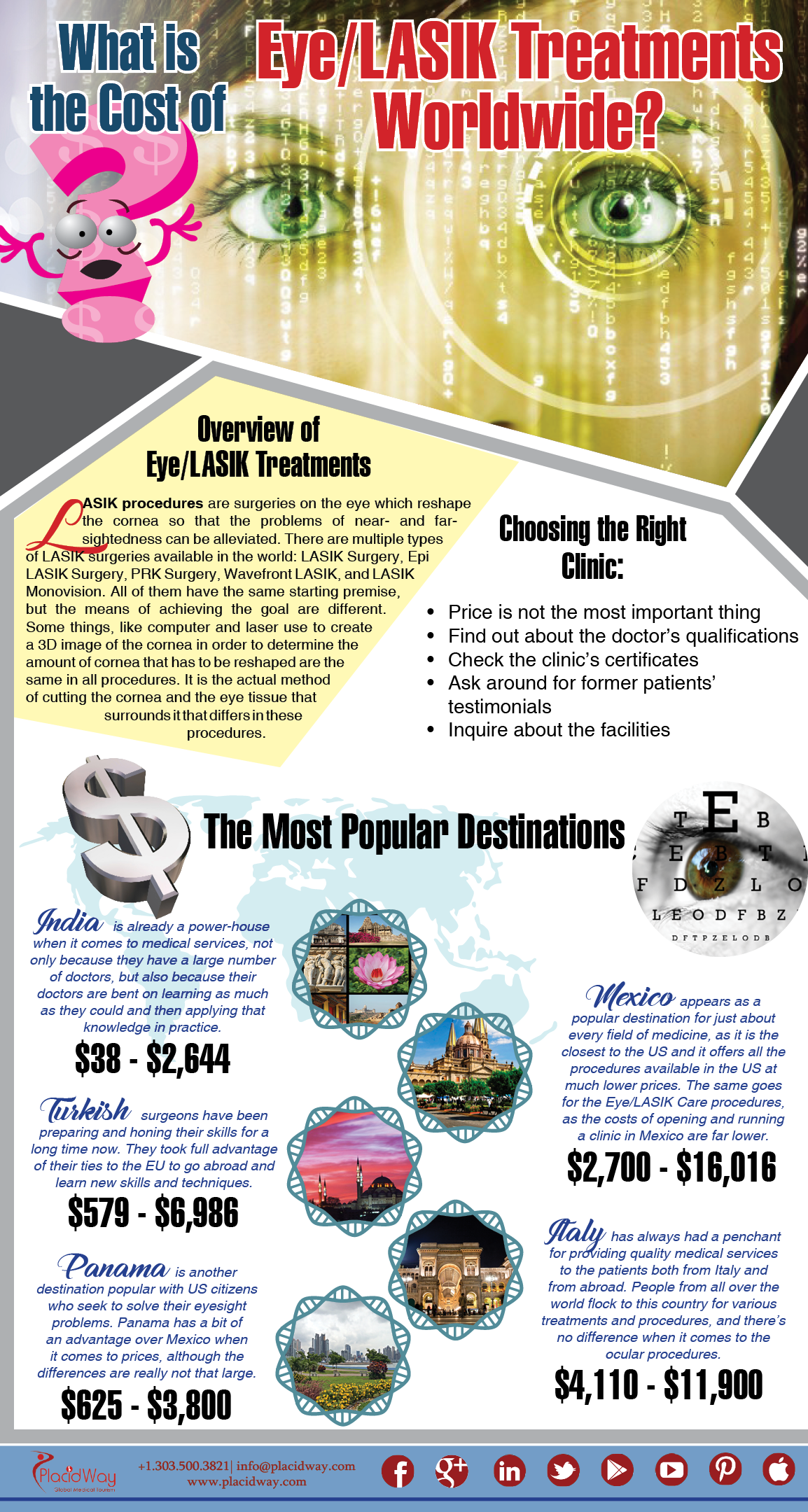
The price of lens replacement surgery can vary significantly based on multiple factors, including the kind of lens used, the eye surgeon's experience, and the geographic area of the procedure. On average, patients can anticipate to pay from three thousand to $5,000 dollars per eye for standard lens replacement options. Advanced lenses, which offer enhanced features like extended depth of focus or accommodating capabilities, may raise the overall cost. It’s crucial to have a clear understanding of the pricing structure before undergoing treatment to prevent any unforeseen expenses.
Many patients explore financing options to make lens replacement surgery more accessible. Most clinics offer payment plans that can divide the cost over time, making it more manageable for individuals to manage their budgets. Additionally, some patients may discover that their health insurance provides some coverage for this procedure, particularly if it is performed due to cataract development. It's recommended to check with your insurance provider and the surgical clinic to understand what funding options are offered to you.
Health retirement accounts (HSAs) and flexible spending accounts can also be used to cover lens replacement surgery costs. These accounts allow individuals to save pre-tax money for medical procedures. Before proceeding, it is crucial to check with your account provider to ensure lens replacement costs are covered for reimbursement. By utilizing these options and planning appropriately, patients can significantly alleviate the financial burden associated with lens replacement surgery.